




Thermal Imaging & Night Vision
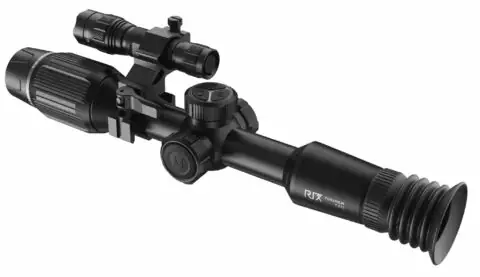
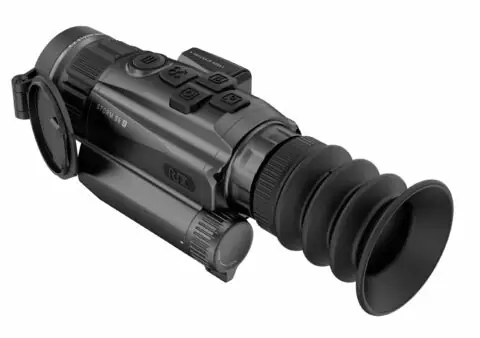
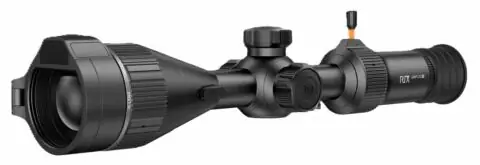
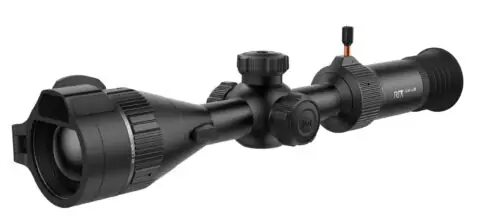
Thermal imaging and night vision from RIX: monoculars with 384 and 640 sensors, low NETD values and honest range advice from the Austrian specialist dealer.
Thermal and night vision: the technology that makes the difference
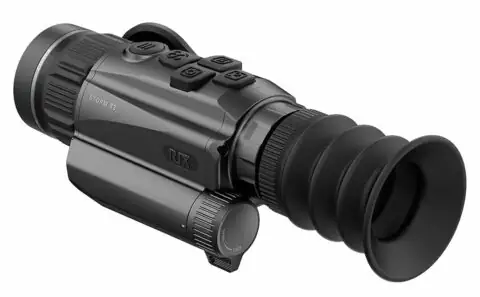
Three values decide image quality in thermal imaging: sensor resolution (384×288 as a solid base, 640×512 as the premium class), thermal sensitivity NETD (the smaller, the more detail in bad weather – values below 25 mK are excellent) and the lens focal length, which sets detection range and field of view. 19–25 mm suffice for stalking in the woods; 35–50 mm are the better choice for open fields.
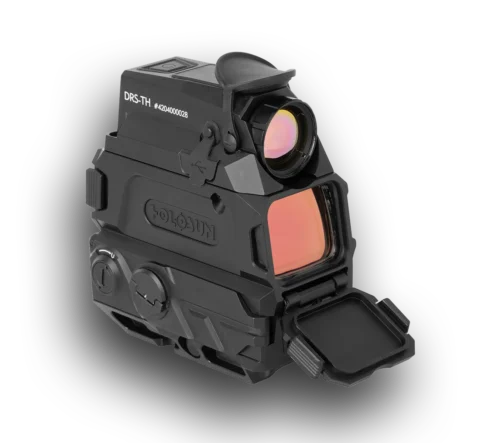
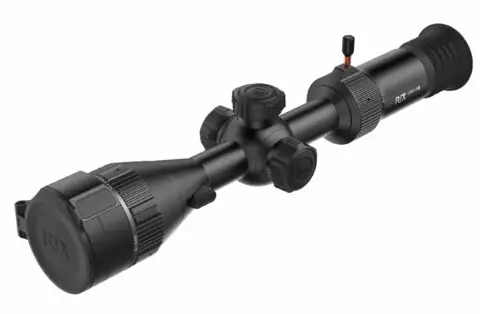
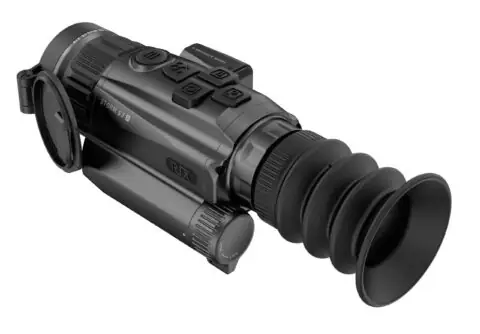
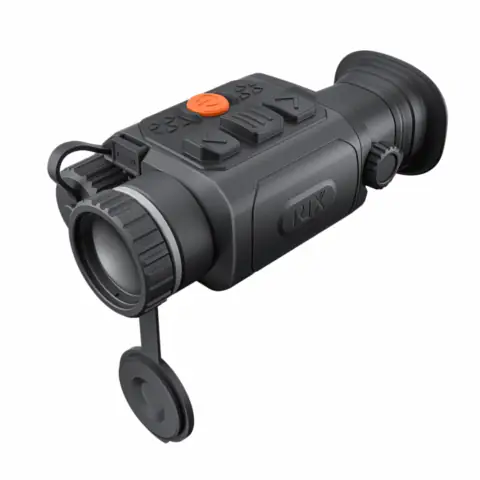
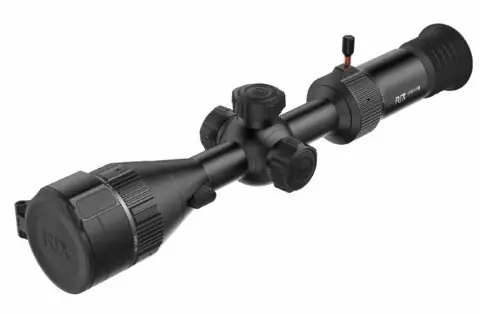
Observing or aiming? Handheld thermal devices for observation are freely available and the most important tool for confirming game before the shot. Clip-on attachments mount in front of the day optic – depending on your country and region, different hunting and weapons laws apply to them. Please check the legal situation that applies to you before buying; we are happy to advise on the technical choice.
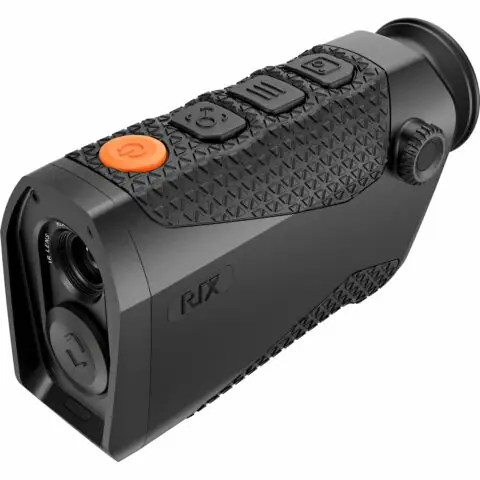
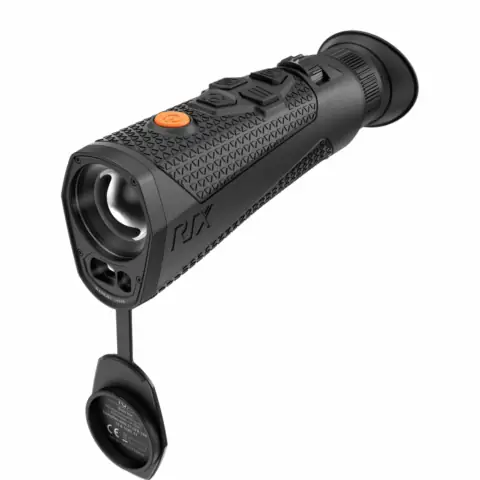
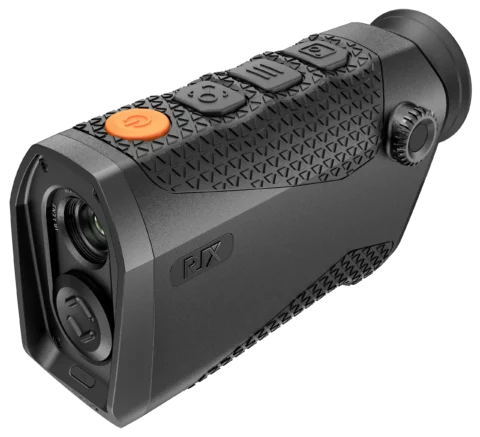
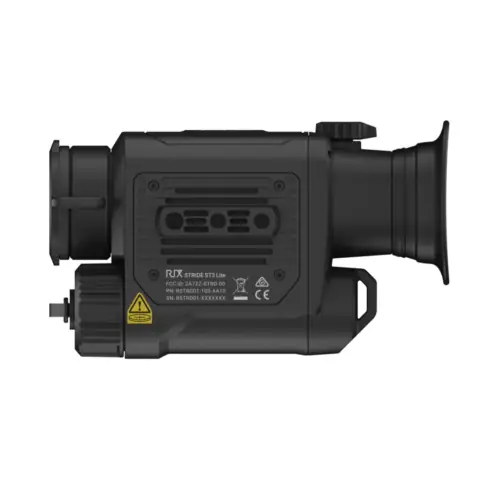
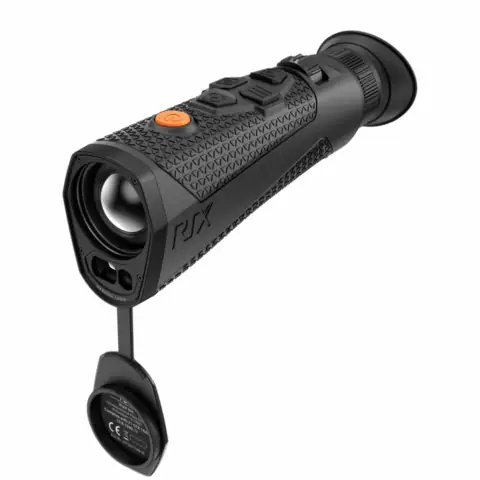
With RIX we carry one of the technology leaders: highly sensitive sensors, bright OLED displays and housings built for hard field use.
Frequently asked questions about thermal & night vision
384 or 640 sensor – is the upgrade worth it?
A 640×512 sensor shows a much wider field of view and more detail at the same magnification – noticeable above all when identifying game at 100 m and beyond. For woodland stalking and distances up to about 150 m, a good 384 sensor with a low NETD value delivers a thoroughly huntable image.
What does the NETD value mean?
NETD describes how fine a temperature difference the sensor can still resolve (in millikelvin). In rain, fog or high humidity a low value (≤ 25 mK) separates game cleanly from the background where weaker sensors only show shades of grey.
How far can a thermal device "see"?
The manufacturer's detection range refers to merely spotting a heat source. For safe identification (species, size, sex) realistically expect about a third of that distance – this is where sensor quality and focal length pay off.
The results could not be loaded.